
11. Warminster, Pennsylvania, Up to 30,000 ppt
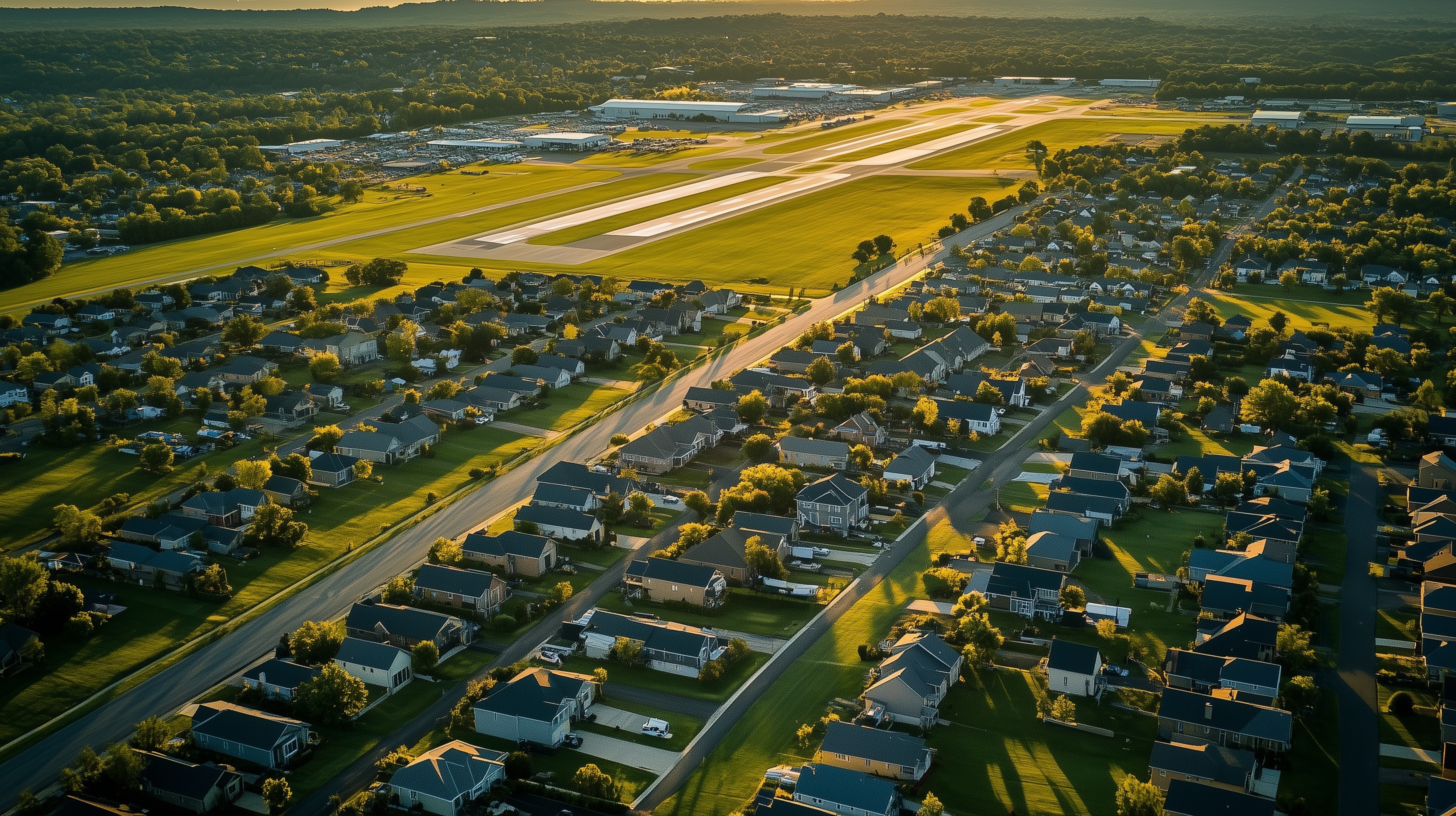
Over 70,000 people in Warminster, Warrington, and Horsham townships drank water contaminated by two military facilities: the former Naval Air Warfare Center and the adjacent Naval Air Station Joint Reserve Base Willow Grove. Monitoring wells hit 30,000 ppt from AFFF use.
The Navy has spent over $100 million on investigation and interim fixes, including whole-home filtration and connecting residents to clean water supplies. In 2023, the EPA added the Naval Air Warfare Center Warminster site to the Superfund National Priorities List. Bucks County residents have filed multiple class-action lawsuits against PFAS manufacturers and the federal government.
12. Colorado Springs, Colorado (Peterson Space Force Base), Up to 25,000 ppt
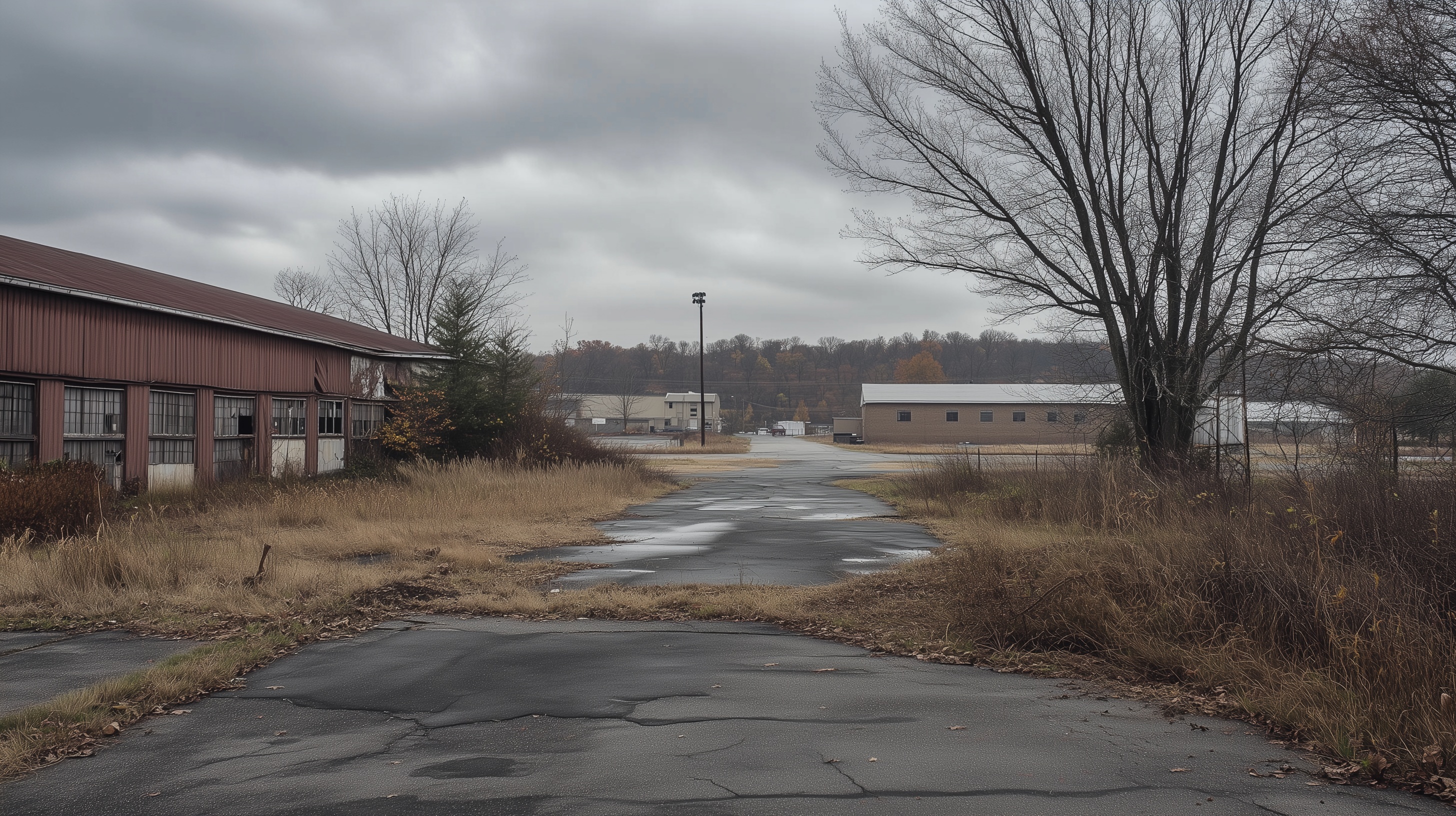
Three sites drive PFAS contamination in the Colorado Springs area: Peterson Space Force Base, the former Fort Carson fire training area, and the Colorado Springs Airport. The EWG database shows groundwater near Peterson at 25,000 ppt combined PFAS.
The Widefield Aquifer supplies the communities of Security and Fountain south of the base. It showed PFOA and PFOS well above health advisory limits. Colorado set a site-specific standard of 70 ppt in 2020, and cleanup costs are expected to top $500 million. Fountain and Security, both lower-income communities, have absorbed most of the contamination. They’ve also led local advocacy efforts.
13. Stuart/Hobe Sound, Florida, Up to 18,000 ppt
$8 million. That’s what Martin County has spent so far on granular activated carbon treatment for contaminated wells. The Florida Department of Environmental Protection found PFAS in groundwater at up to 18,000 ppt near a former fire training area and industrial sources.
Martin County’s water system found PFOA and PFOS in treated drinking water above 70 ppt—way over the old EPA advisory and the current 4 ppt standard. Florida set up emergency PFAS screening levels in 2020, but they still haven’t bothered making them legally binding. When states won’t act, communities get stuck waiting for whatever the feds decide to do.
14. Merrimack, New Hampshire, Up to 15,000 ppt
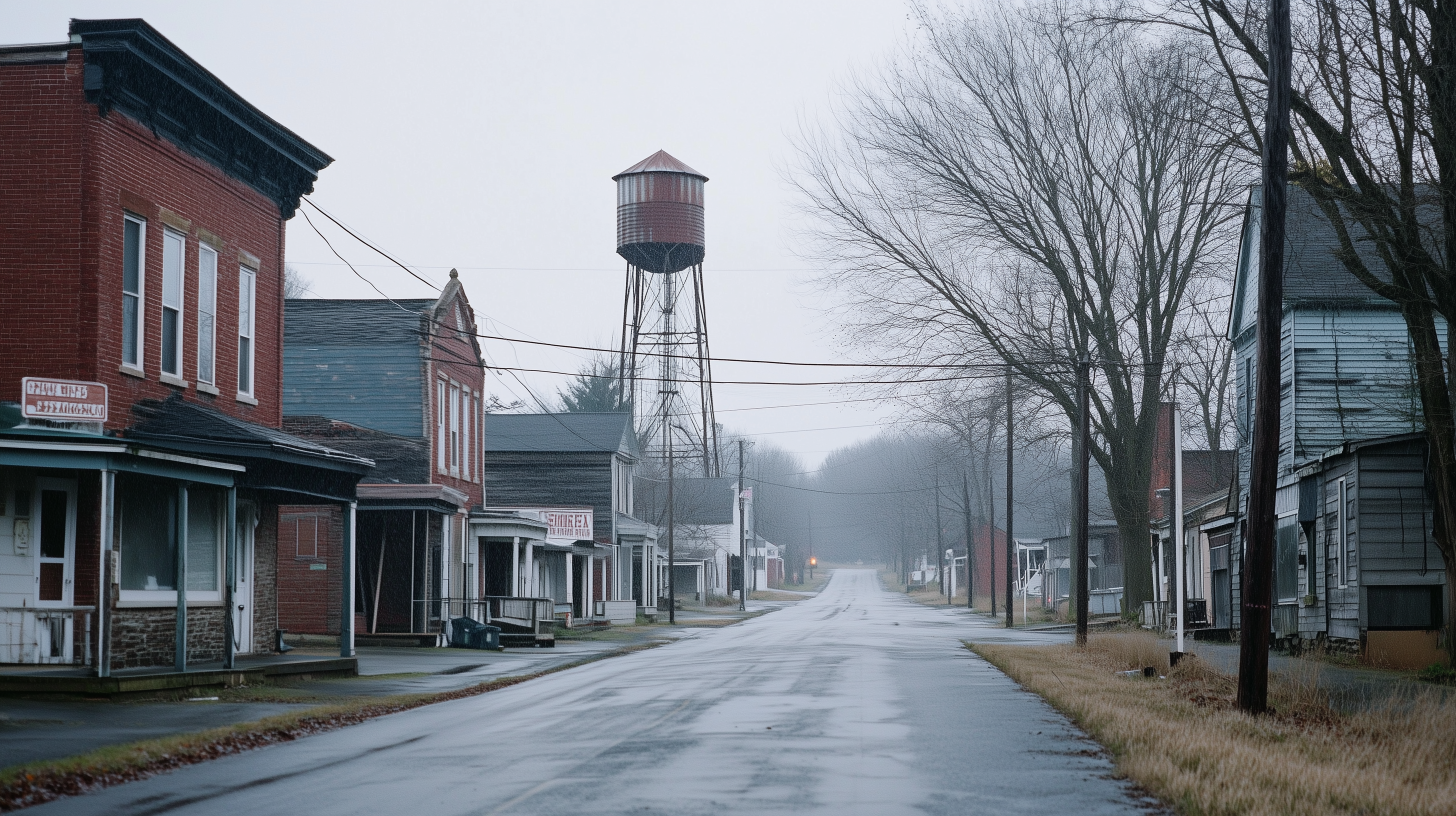
New Hampshire moved faster than most states on PFAS. What happened in Merrimack lit a fire under everyone—2016 testing found PFOA at 15,000 ppt in groundwater near the Saint-Gobain Performance Plastics plant.
Saint-Gobain was using PFOA to manufacture PTFE-coated materials. Hundreds of private well owners got contaminated water, and so did the Merrimack Village Water District. In 2019, New Hampshire finally set limits: 12 ppt for PFOA and 15 ppt for PFOS. Saint-Gobain’s response? Bottled water deliveries, home filtration systems, and footing the bill for new municipal wells.
New Hampshire’s $167 million lawsuit against 3M, DuPont, and Saint-Gobain was among the first state-level PFAS cases filed. Early mover.
15. Tucson, Arizona (Davis-Monthan Air Force Base Area), Up to 12,000 ppt
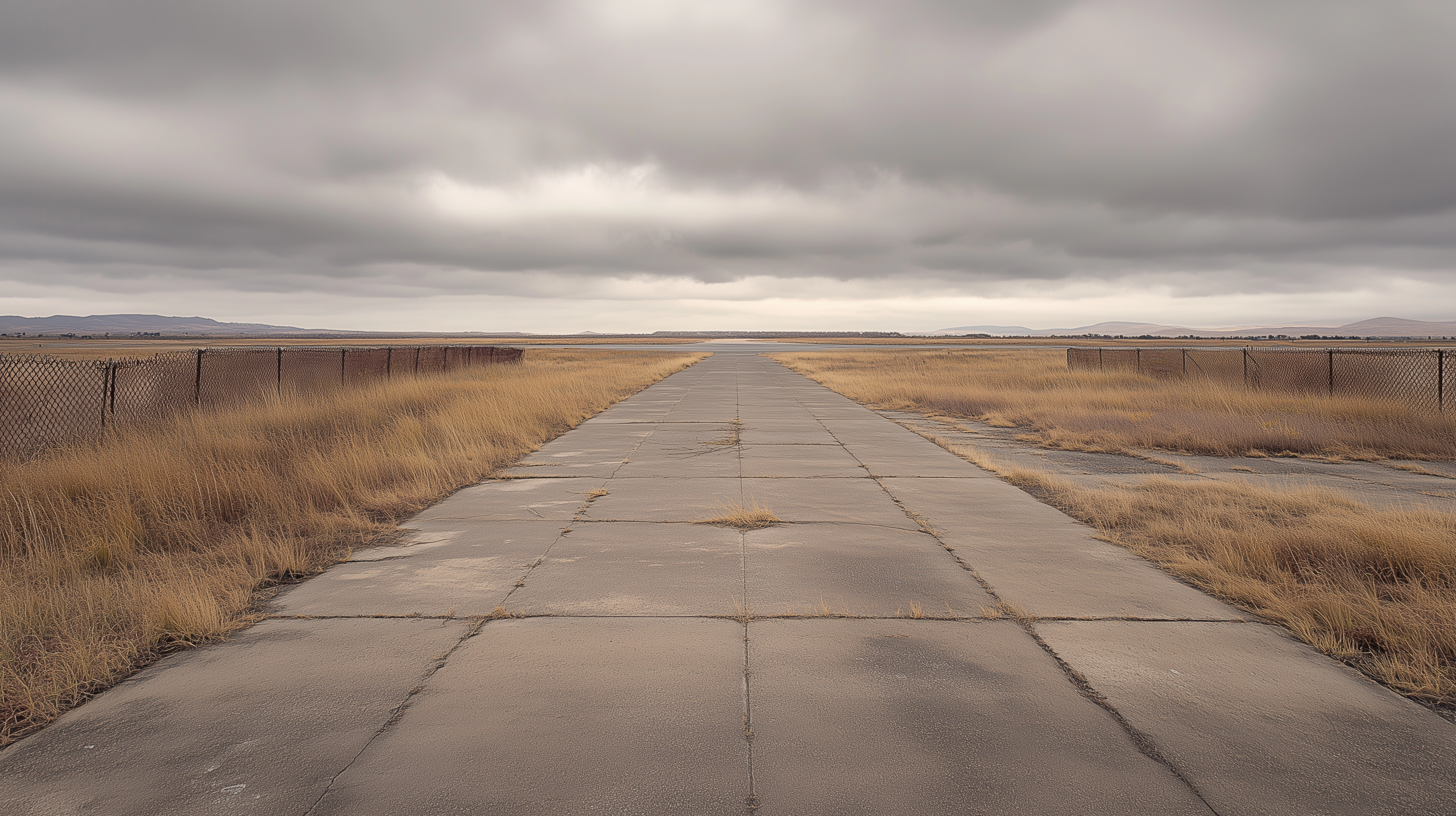
Combined PFAS levels near Davis-Monthan Air Force Base and the Tucson Airport Authority Superfund site have hit 12,000 ppt. According to DoD PFAS Task Force records, decades of foam use during fire training drills at the base and airport caused the contamination.
The Air Force installed pump-and-treat systems, but the contamination spreads for miles and reaches city wells. Tucson Water shut down contaminated wells and started mixing water from cleaner sources to dilute PFAS in the system. Since Arizona never set its own PFAS limits, the new federal rules will force cleanup efforts. In the desert Southwest, aquifer recharge is too slow to meaningfully dilute anything.