

16. Oakdale, Minnesota, Up to 10,000 ppt
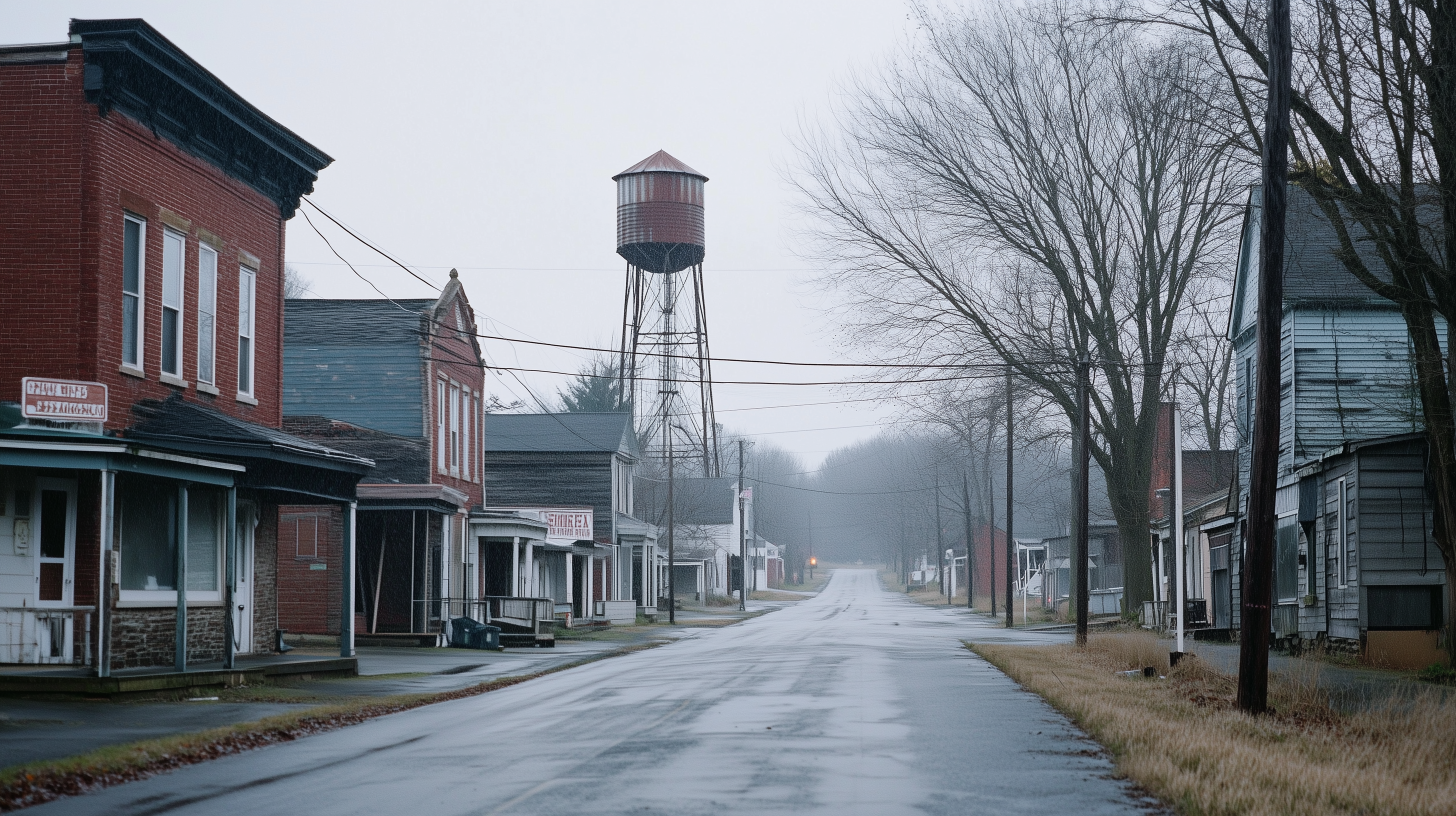
3M invented PFOS. The company manufactured PFAS at its Cottage Grove plant for decades. The consequences spread across the eastern Twin Cities suburbs: Oakdale, Woodbury, Cottage Grove, Lake Elmo. Monitoring wells in the contamination plume have measured PFAS above 10,000 ppt.
Minnesota’s Attorney General sued 3M and reached an $850 million settlement in 2018, then the largest environmental settlement in state history. The state has since spent millions on treatment systems, carbon filtration, and new water connections for affected communities. Minnesota’s Health Risk Limits for PFOS (0.3 ppt) and PFOA (0.035 ppt) rank among the strictest in the country. Good.
17. Cape Cod, Massachusetts (Joint Base Cape Cod), Up to 8,000 ppt
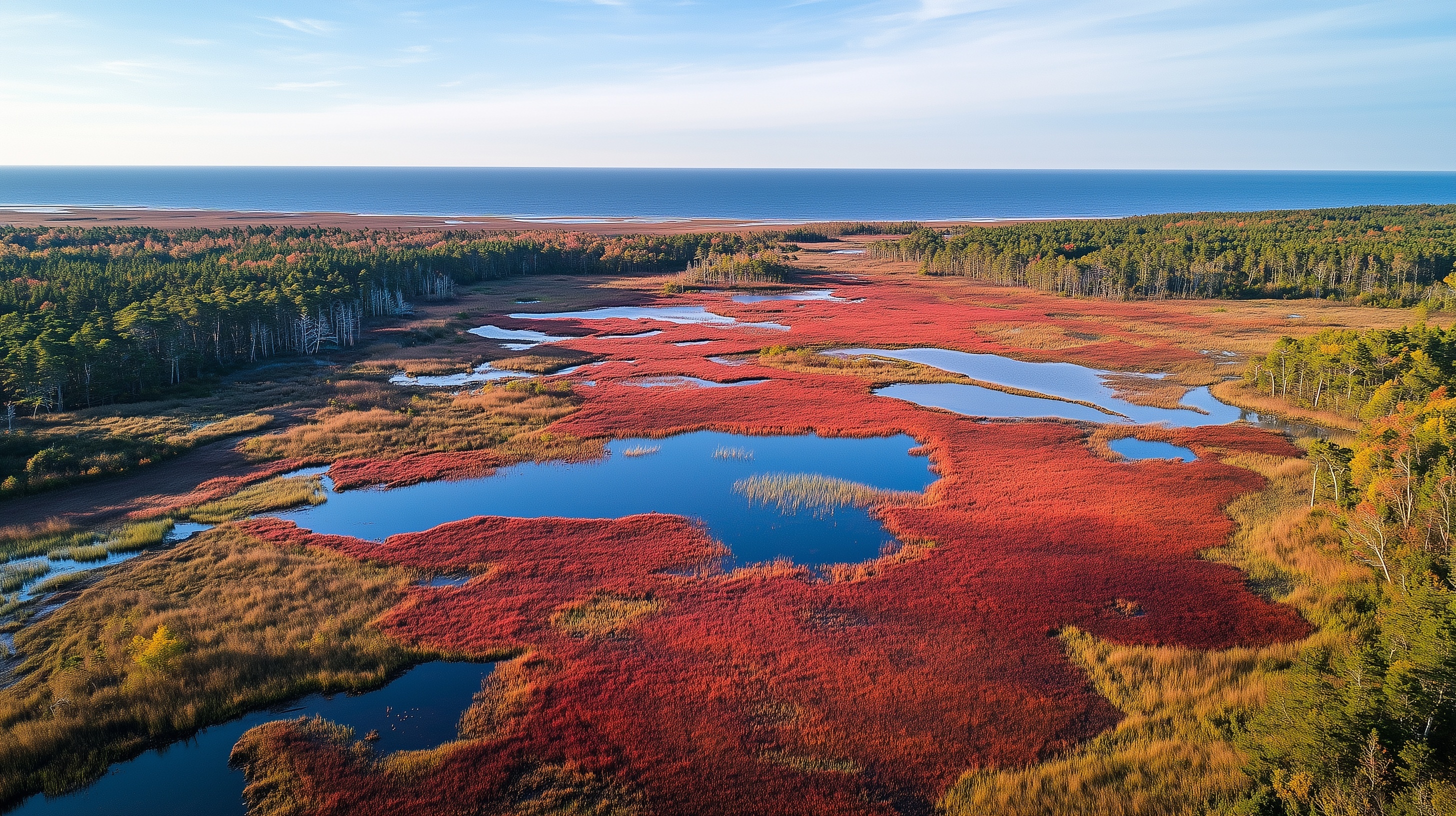
Around 215,000 year-round residents depend on a single aquifer beneath Cape Cod. That aquifer sits directly below Joint Base Cape Cod, formerly Otis Air National Guard Base. Decades of AFFF training produced multiple contamination plumes.
EPA UCMR 5 data shows groundwater beneath the base at 8,000 ppt. The military’s Installation Restoration Program has been working on cleanup since the 1980s but only added PFAS to the remediation scope in recent years. The Town of Bourne, next to the base, had to shut down contaminated wells and build new water infrastructure at a cost exceeding $30 million.
18. Dayton, Ohio (Wright-Patterson Air Force Base), Up to 7,500 ppt
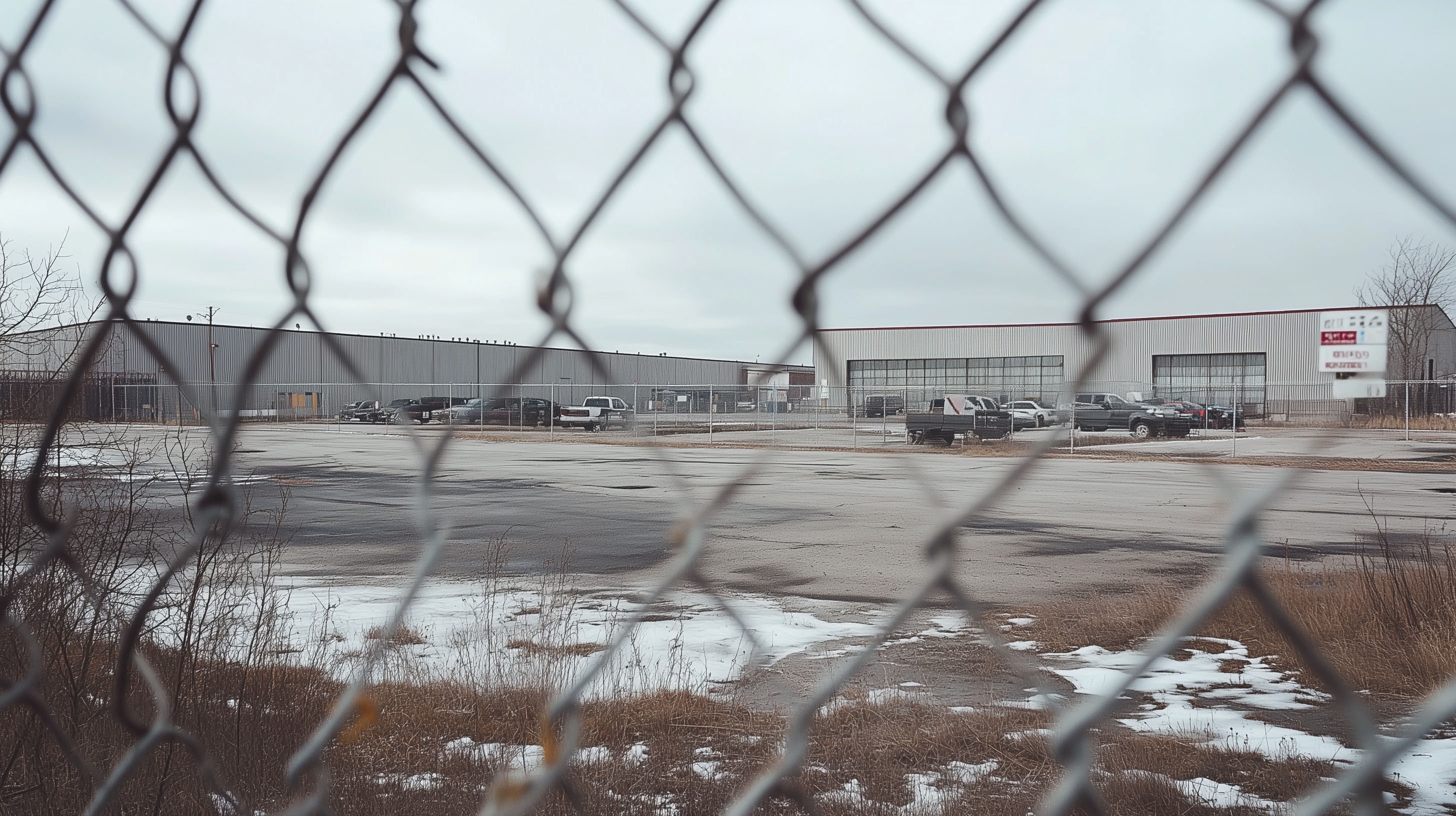
Wright-Patterson is one of the largest military installations in the country. AFFF use pushed on-base groundwater to 7,500 ppt. Parts of the Mad River aquifer, which supplies surrounding communities, are affected.
The Air Force has conducted extensive sampling and is working through a remedial investigation. Dayton, Fairborn, and Riverside have stepped up water treatment monitoring. Ohio set a PFAS action level of 70 ppt for combined PFOA and PFOS in 2019 but has drawn criticism from the EWG and others for not matching the stricter limits Michigan and other neighboring states adopted.
19. Peachtree City, Georgia, Up to 6,000 ppt

This contamination traces back to a former 3M/DAK Industries landfill and manufacturing operations. Monitoring wells near the site have measured PFAS up to 6,000 ppt. In 2019, the Fayette County Water System detected PFOA and PFOS in finished drinking water above the EPA’s then-advisory of 70 ppt.
Emergency treatment measures followed. Georgia has been slower than many states to act on PFAS and still lacks state-specific drinking water standards as of 2024. The new 4 ppt federal MCL will force significant treatment upgrades. The costs will likely land on ratepayers. Not the polluters.
20. Hampden, Maine, Up to 5,000 ppt

Fred Stone ran a dairy farm in Arundel, Maine, for decades. Then PFAS testing showed his milk was contaminated. His story became the face of a different kind of PFAS exposure: sewage sludge spread as fertilizer.
For years, farms in the Hampden area applied municipal biosolids to their fields. That sludge carried PFAS, which accumulated in soil, groundwater, and crops. Per Maine DEP records, well water near affected farms has tested at 5,000 ppt. Stoneridge Farm, a multi-generation dairy operation, was forced to shut down.
Maine passed the nation’s first ban on PFAS in sewage sludge land application in 2022 and created a $60 million fund for affected farmers. Hampden shows the full loop: consumer products go down drains, concentrate in sludge, get spread on farms, enter crops and groundwater, then end up back in your drinking water.
[INTERNAL_LINK: PFAS in Farm Water: Testing Guide for Rural Properties]