

6. Marinette, Wisconsin, Up to 64,000 ppt
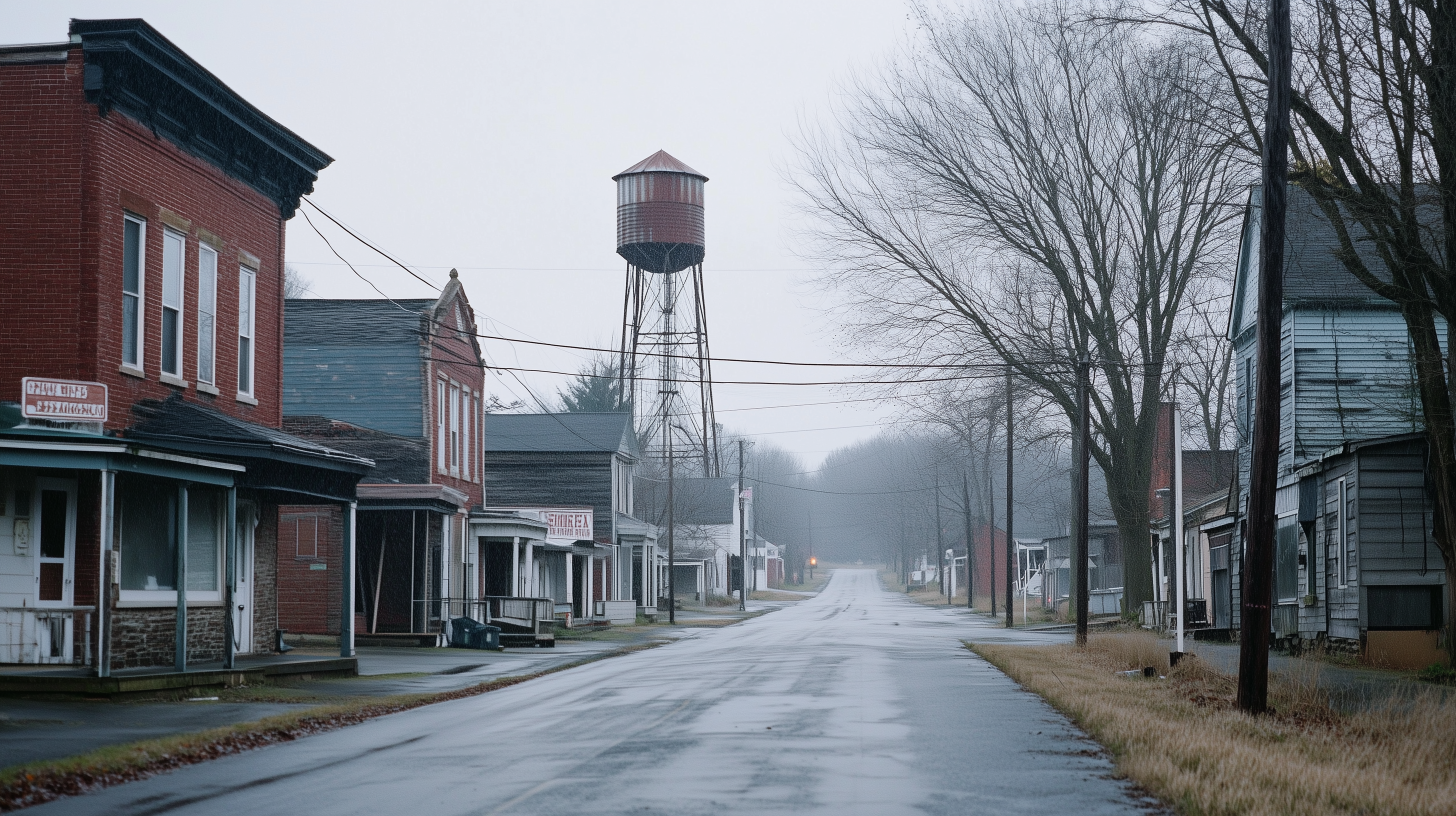
Decades of firefighting foam testing are now coming due in Marinette. Tyco Fire Products, owned by Johnson Controls, manufactured and field-tested AFFF at its facility here. Wisconsin DNR records show monitoring wells near the site at 64,000 ppt.
Tyco has provided bottled water and whole-home filtration to hundreds of households. They’re also funding a $17.5 million municipal water system extension. The contamination has spread to the Menominee River and Green Bay, hitting both surface water and sediment. Johnson Controls faces ongoing litigation from the state and affected residents.
7. Westfield, Massachusetts, Up to 54,000 ppt
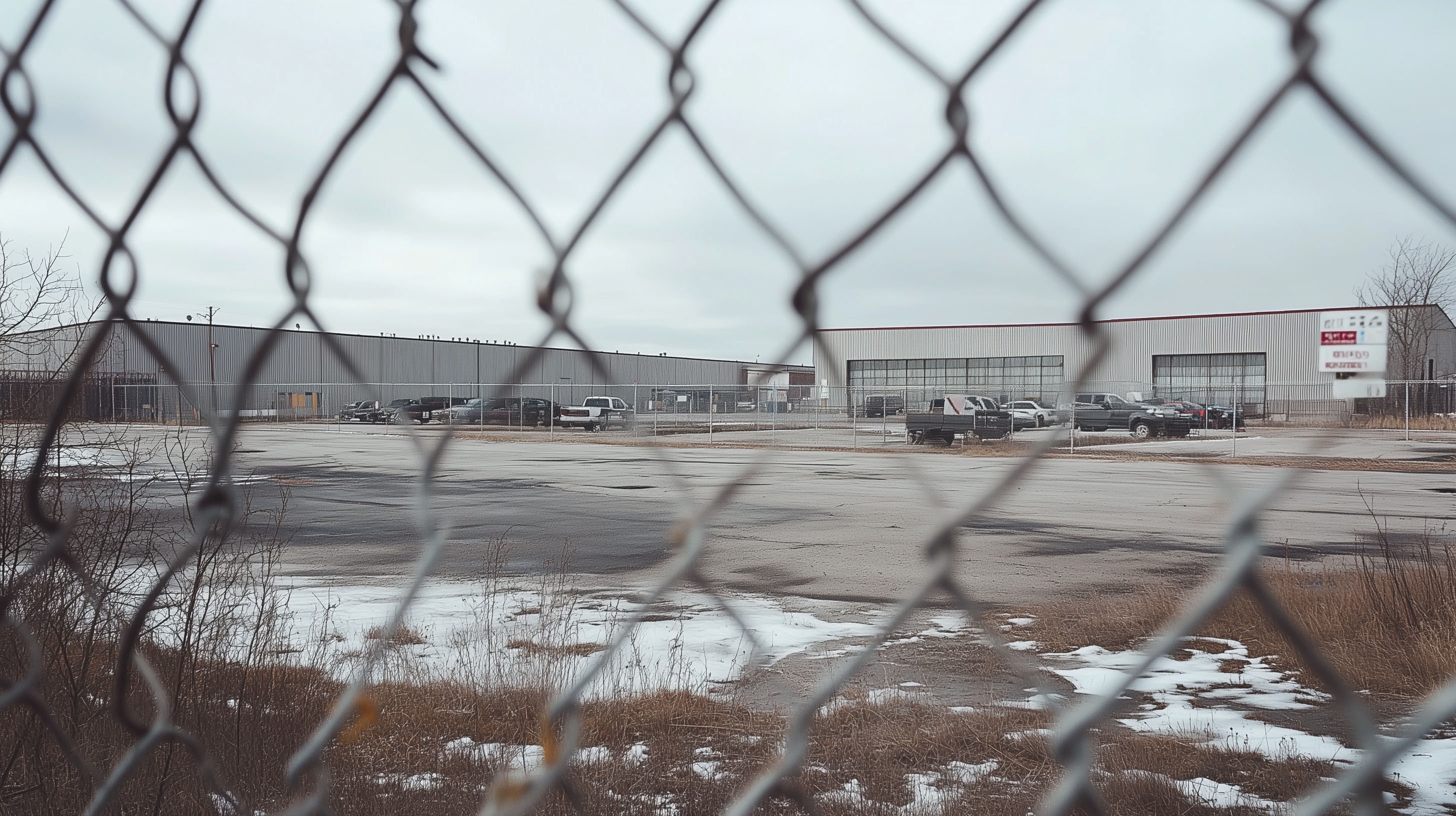
Decades of AFFF use at Barnes Air National Guard Base left monitoring wells at 54,000 ppt. The contamination plume has reached city drinking water supply wells. Per DoD PFAS Task Force records, the Air Force has provided bottled water and is funding a $4.2 million treatment system.
Westfield’s municipal wells closest to the base now run through granular activated carbon filtration. Massachusetts set a combined PFAS standard of 20 ppt for six compounds, stricter than the federal rule. That puts pressure on the military to speed up cleanup.
8. Wurtsmith Air Force Base Area, Oscoda, Michigan, Up to 45,000 ppt
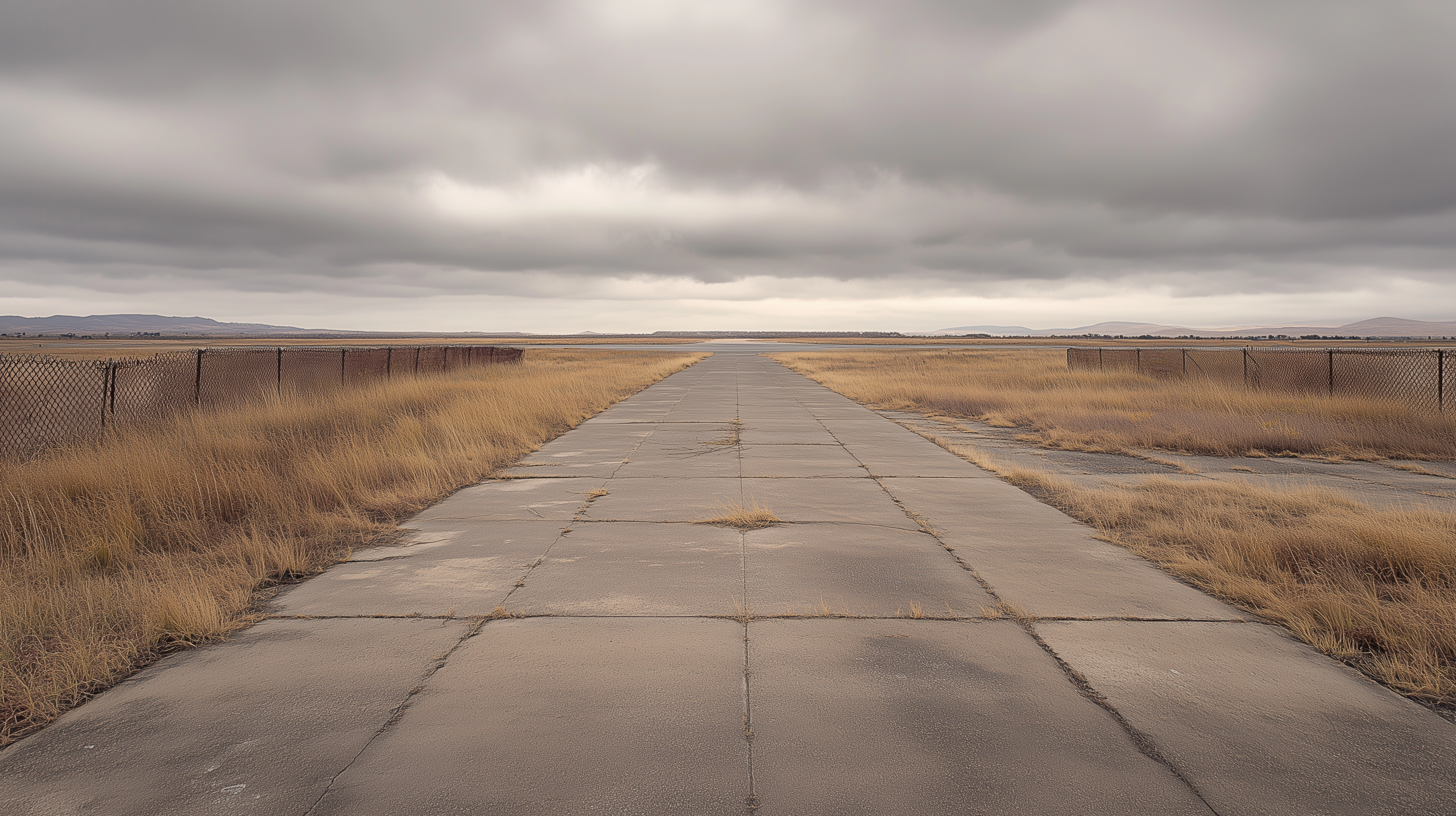
Wurtsmith closed in 1993 under BRAC. The PFAS contamination it left behind will take decades to clean up.
AFFF training exercises drove groundwater levels to 45,000 ppt. The plume has reached Van Etten Lake and the Au Sable River, both popular recreation areas. The Air Force installed a pump-and-treat system and has provided carbon filtration to affected residents. In 2023, a Michigan court ruled the Air Force must expand its groundwater treatment.
Here’s what really gets you. When they tested deer liver around the base, PFAS levels were so high that Michigan EGLE told people not to eat locally hunted game.
9. El Paso, Texas (Biggs Army Airfield Area), Up to 40,000 ppt
The Hueco Bolson aquifer supplies drinking water to both El Paso and Ciudad Juarez, Mexico. It sits directly beneath Biggs Army Airfield at Fort Bliss. Decades of AFFF use have pushed groundwater PFAS levels to 40,000 ppt, per DoD PFAS Task Force reporting.
El Paso Water put treatment systems on the affected wells and checks levels every three months. The Army paid for a $3.8 million cleanup investigation. With so little rain in this desert climate, there’s not much natural dilution happening to the contaminated groundwater. The underground water here takes decades to refresh itself. This is one of the clearest examples of how military PFAS contamination can become a binational problem.
10. Newburgh, New York, Up to 35,000 ppt
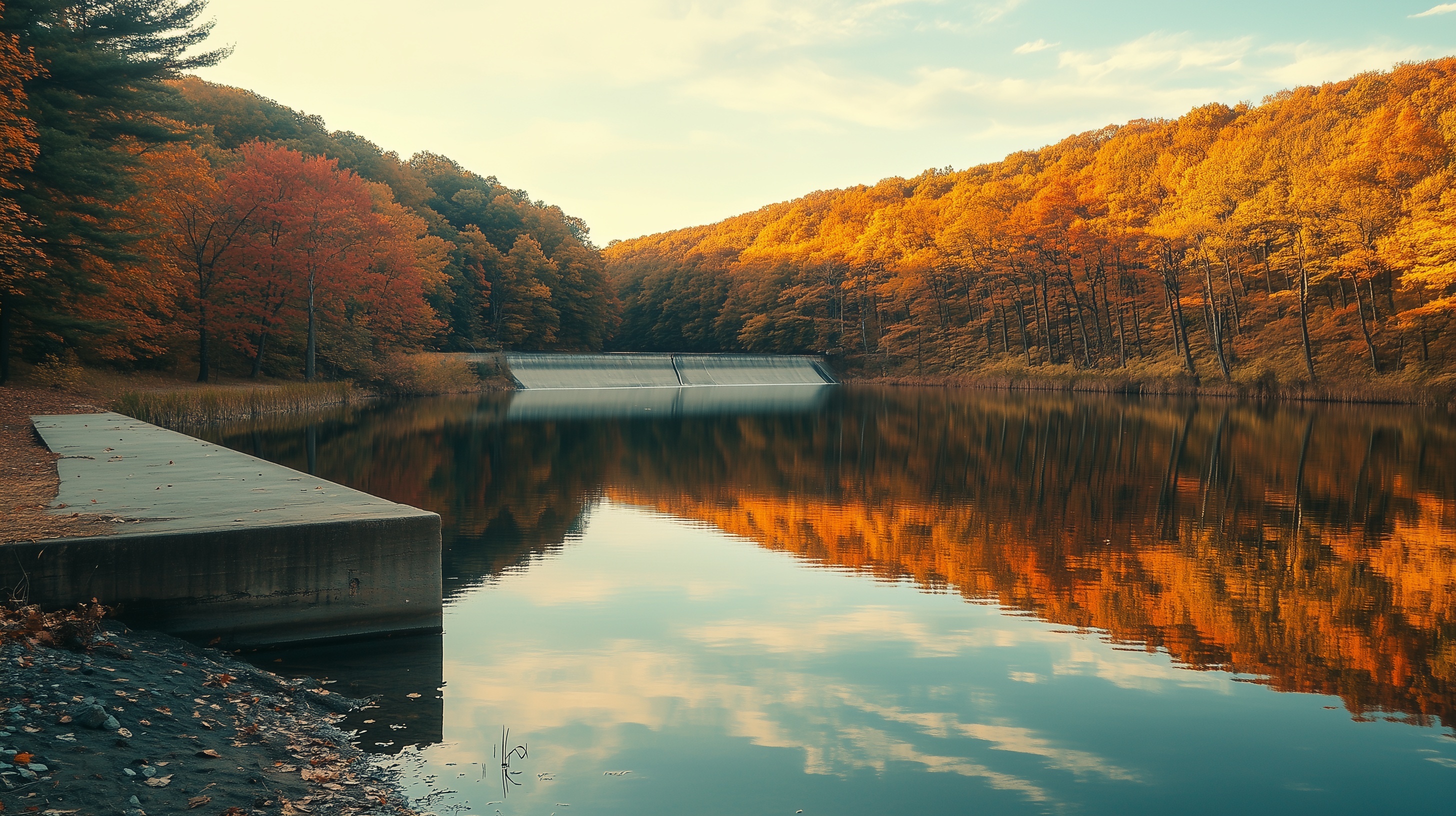
For 28,000 residents, the news hit in 2016: Washington Lake, their primary drinking water source, contained PFOS at up to 170 ppt. The trail led to AFFF use at the nearby Stewart Air National Guard Base, where on-base groundwater tested at 35,000 ppt.
The city switched to an emergency backup source from the Catskill Aqueduct. New York State sued multiple PFAS manufacturers on behalf of Newburgh and won a $65 million settlement from 3M and other defendants in 2023. The state also funded a $10 million water treatment upgrade.
Newburgh’s population is predominantly low-income and minority. The slow federal response drew sharp criticism from residents and local advocates. Rightly so.