
The 20 U.S. Cities With the Highest Detected PFAS Levels
1. Fayetteville, North Carolina, Up to 370,000 ppt
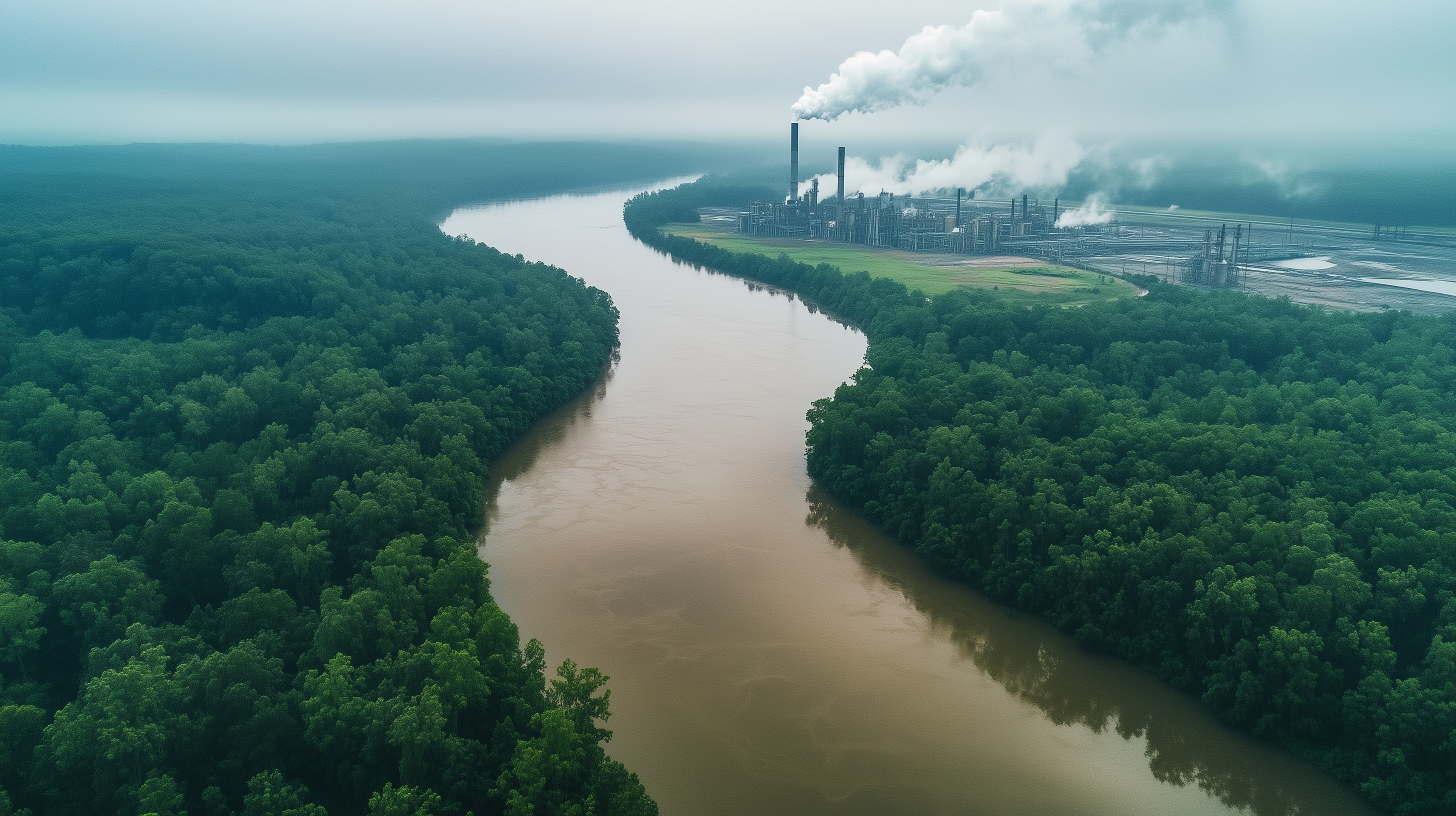
Nobody in Fayetteville had heard of GenX until 2017. That’s when residents learned the Chemours plant (formerly DuPont) had been dumping GenX and dozens of other fluorinated chemicals into the Cape Fear River for years.
Testing by North Carolina’s DEQ found combined PFAS levels over 370,000 ppt in groundwater around the plant. Those levels are roughly 92,500 times what EPA now considers safe. Wilmington and other cities pull their drinking water straight from the Cape Fear River.
Chemours cut North Carolina a $12.5 million check in 2019 and installed carbon filters. Wells located miles from the plant are still showing contamination. And that should worry you.
2. Hoosick Falls, New York, Up to 180,000 ppt
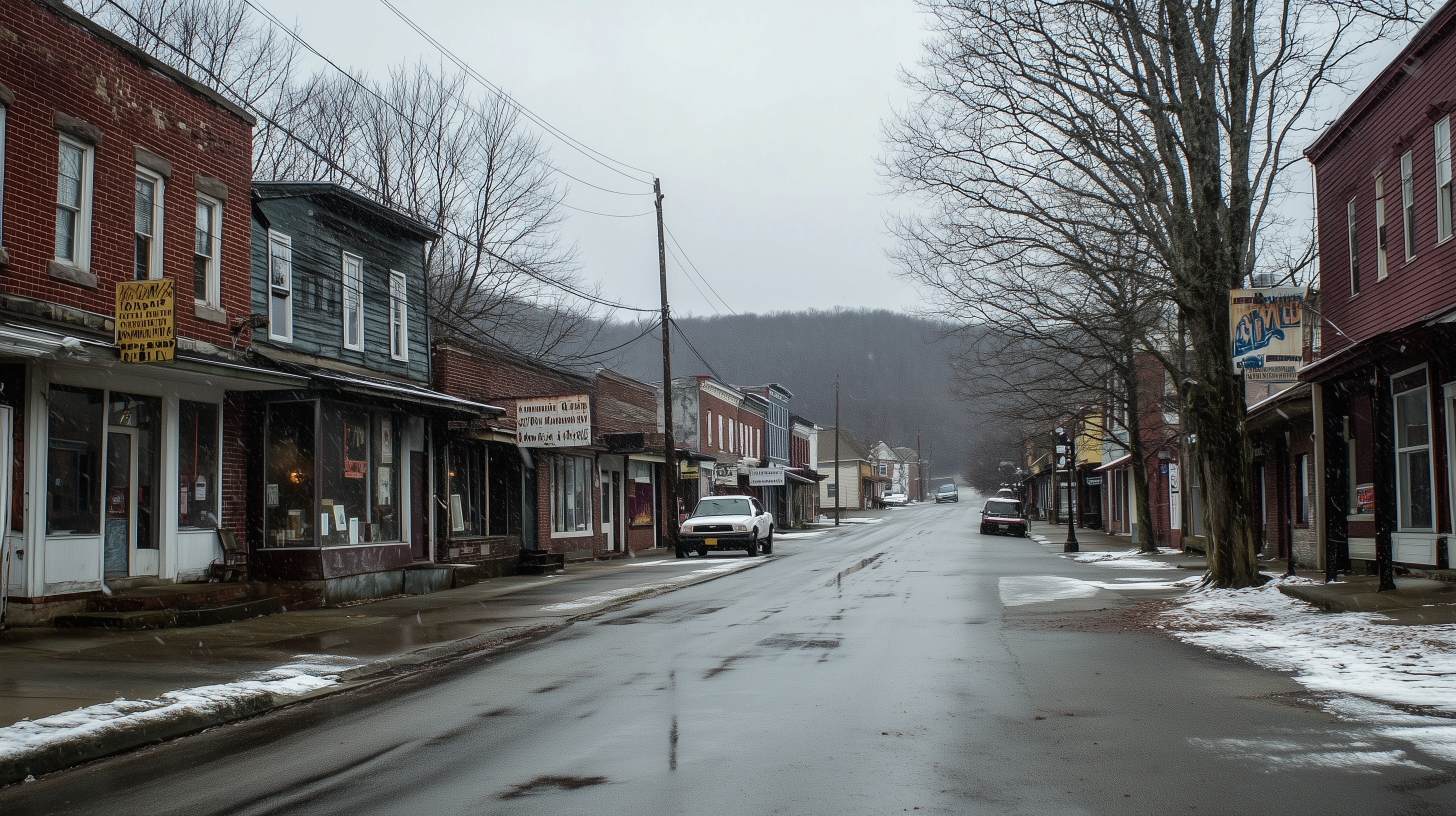
About 3,500 people live here. In 2014, testing near the Saint-Gobain Performance Plastics and Honeywell facilities found PFOA at 180,000 ppt in groundwater. The village’s municipal supply came in at 540 ppt. That’s 135 times the current EPA standard.
Saint-Gobain had been using PFOA to manufacture Teflon-coated fabrics. Residents organized and demanded independent testing. The EPA designated the site for Superfund investigation, and a new $11 million treatment plant with granular activated carbon filtration went online in 2017. It drove PFOA below detection limits.
But private wells remain contaminated. Blood testing showed residents carrying PFOA levels several times the national average.
3. Parkersburg, West Virginia, Up to 80,000 ppt
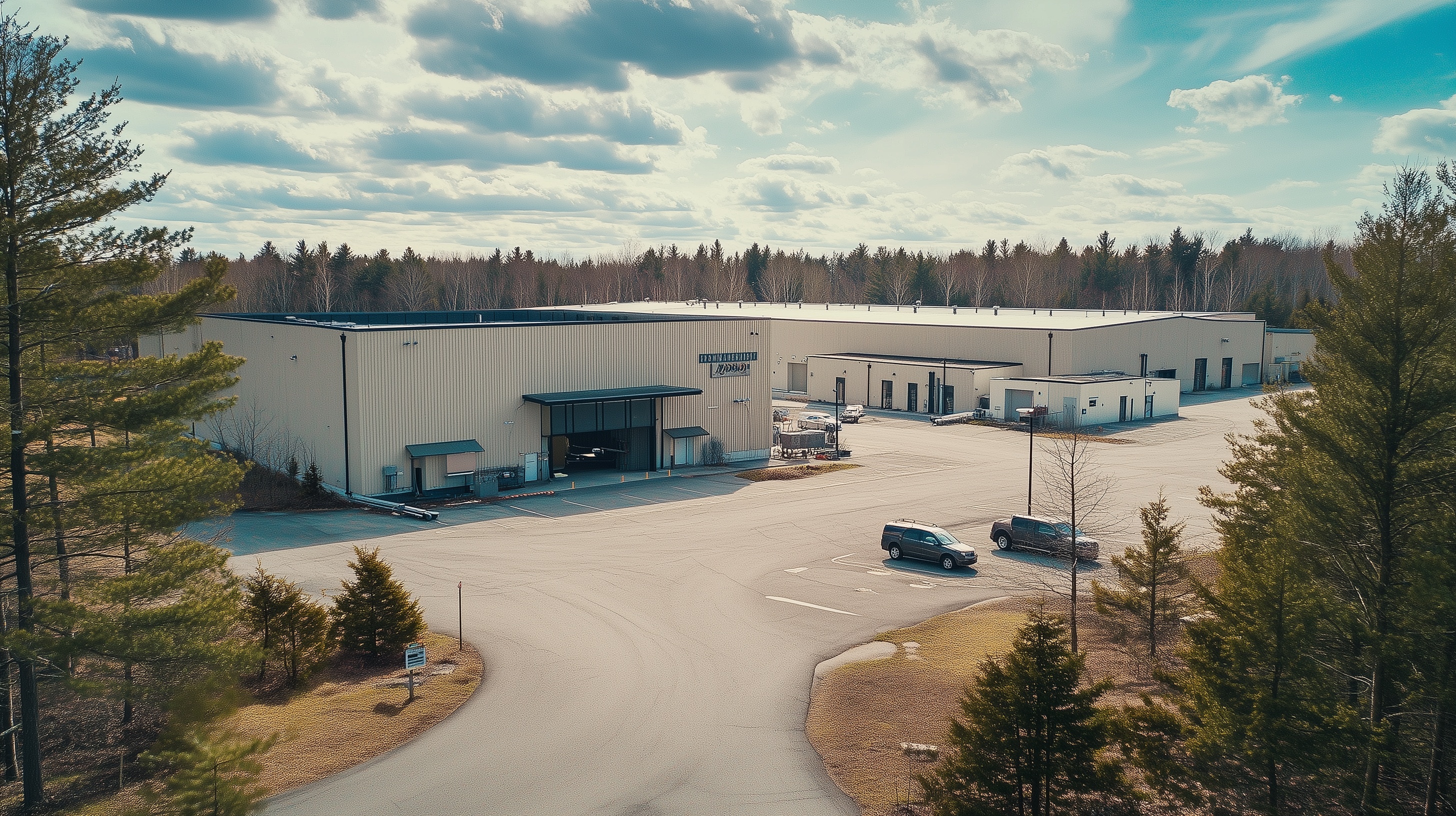
The modern PFAS crisis started here. DuPont’s Washington Works plant released PFOA (known internally as C-8) into the air and the Ohio River for decades. The contamination reached six water districts. Over 70,000 people were affected.
Attorney Rob Bilott filed the 2001 class-action lawsuit that became the film Dark Waters. A $70 million DuPont settlement funded the C-8 Science Panel, which linked PFOA exposure to six diseases including kidney and testicular cancer. DuPont eventually paid over $670 million in personal injury settlements.
Groundwater near the plant has tested above 80,000 ppt. State DEQ monitoring reports confirm the community now relies on granular activated carbon filtration.
4. Parchment, Michigan, Up to 78,000 ppt

Carol Cordier turned on her kitchen faucet in July 2018. She didn’t know her tap water contained PFAS at 78,000 ppt. That was the highest level detected in any active Michigan municipal system at the time. The culprit: a former Georgia-Pacific paper mill that used PFAS in paper coating.
Governor Gretchen Whitmer declared a state of emergency. The roughly 2,000 residents were told to stop using tap water immediately and got connected to Kalamazoo’s system as a stopgap. Michigan has since set some of the most aggressive state-level PFAS standards in the country, with a maximum contaminant level of 8 ppt for PFOA, per Michigan EGLE enforcement data.
5. Petersburgh, New York, Up to 68,000 ppt
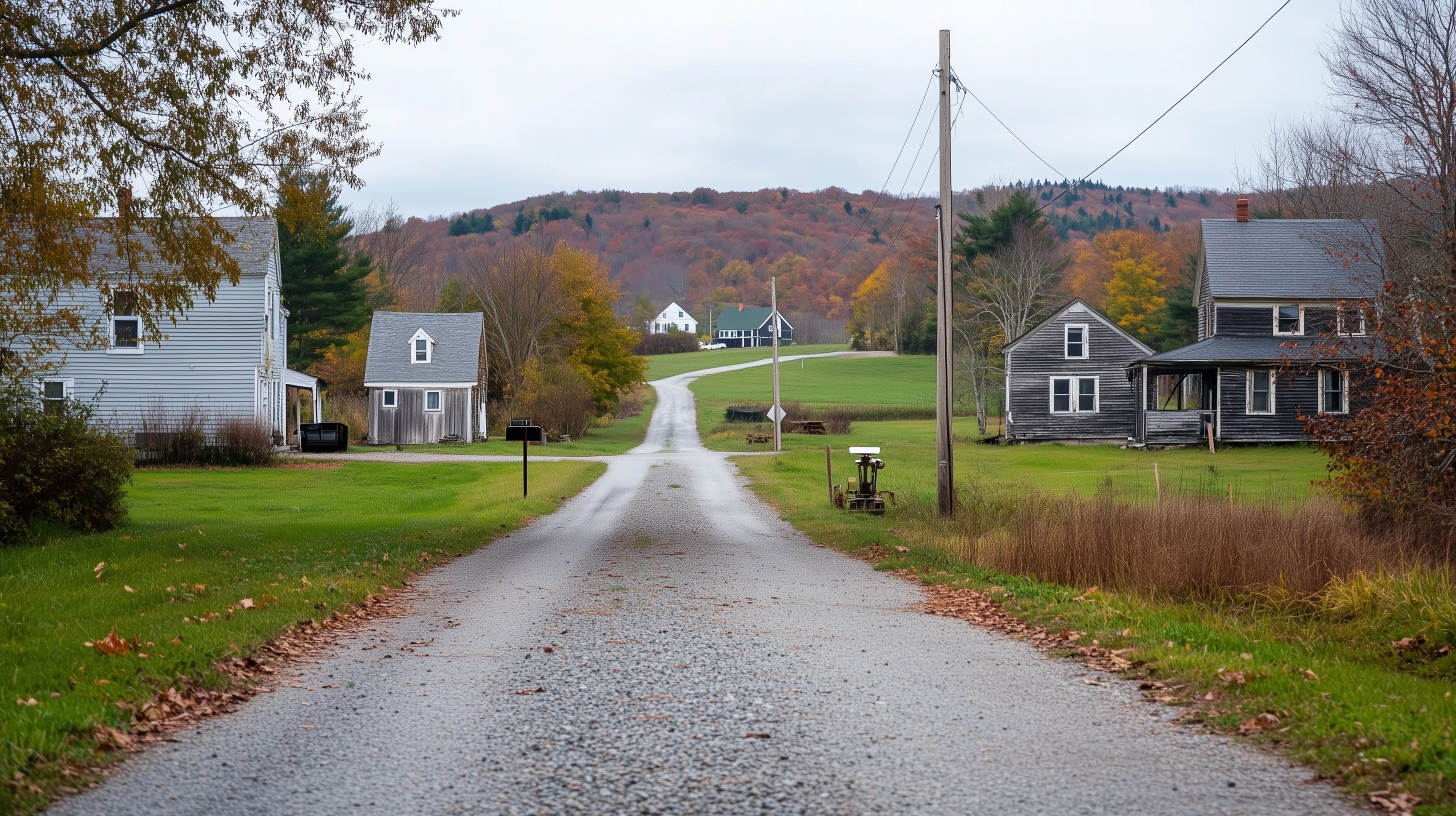
Just miles from Hoosick Falls, this rural Rensselaer County town has its own parallel crisis. Groundwater near a former Taconic Plastics manufacturing site tested at 68,000 ppt for PFOA. Many residents depended on private wells. No filtration.
New York State provided bottled water and whole-home filtration systems, then added the site to the state Superfund list. A 2021 blood study found residents’ average PFOA serum levels well above the national mean. Small rural communities like this one often lack the tax base and infrastructure to respond to contamination at this scale. It takes years.