In today’s world, we make many new things. But some of these come with hidden dangers. One big concern is a group of chemicals called PFAS, also known as “forever chemicals.”
[/tatsu_text][tatsu_image image= “https://pfastestingkit.com/wp-content/uploads/2023/09/1.-understanding_forever_chemicals_infographic.jpg” field_type= “default” image_varying_size_src= “” alignment= “none” border_width= “0” border_style= ‘{“d”:”solid”}’ border_color= “” id= “1184” size= “full” adaptive_image= “0” max_width= ‘{“d”:”100%”}’ rebel= “0” width= ‘{“d”:”100%”}’ shadow= “none” custom_shadow= “0px 0px 0px 0px rgba(0,0,0,0)” drop_shadow= “drop-shadow(0px 0px 0px rgba(0,0,0,0))” border_radius= “0” lazy_load= “1” placeholder_bg= “” offset= ‘{“d”:”0px 0px”}’ lightbox= “0” link= “” new_tab= “0” hide_in= “” css_id= “” css_classes= “” animate= “1” animation_type= “none” animation_delay= “0” animation_duration= “300” padding= ‘{“d”:””}’ margin= ‘{“d”:””}’ key= “BkzCEbm16”][/tatsu_image][tatsu_text bg_color= “” color= “” max_width= ‘{“d”:”100″}’ wrap_alignment= “center” text_alignment= ‘{“d”:”left”}’ margin= ‘{“d”:”0px 0px 30px 0px”}’ box_shadow= “0px 0px 0px 0px rgba(0,0,0,0)” padding= ‘{“d”:”0px 0px 0px 0px”}’ border_style= ‘{“d”:”solid”,”l”:”solid”,”t”:”solid”,”m”:”solid”}’ border= ‘{“d”:”0px 0px 0px 0px”}’ border_color= “” border_radius= “0px” text_typography= ‘{“d”:””}’ hide_in= “” css_id= “” css_classes= “” animate= “1” animation_type= “none” animation_delay= “0” animation_duration= “300” key= “B1kuHWQkp”]Why “forever”?
Because PFAS, often referred to as “Forever Chemicals,” don’t break down easily. Made in the 1930s, they stay in our world for a very long time and resist heat, water, and oil. So, companies use them a lot. They went into cookware, clothes, foams, and even some food wraps and eventually these forever chemicals have made their way into our soil and water.
For a while, people thought PFAS, often referred to as “Forever Chemicals,” was a good sign of progress. But there’s a big problem. PFAS sticks around in the environment.
Some studies show that PFAS, often referred to as ‘Forever Chemicals’, can cause health issues. These include hormone problems, high cholesterol, and even cancer.
These chemicals are everywhere. They’re in far-off places like the Arctic and deep in the sea. They’re also in many animals and many people.
Because of these risks, some places are making rules about forever chemicals. They want to cut down on how much is made and used. But there’s a big question; How do we deal with a chemical that won’t go away?
This isn’t just about chemicals. It’s about how we, as people, treat our world. We always want to do better and make new things. But we need to ask: at what price?
The Chemical Composition
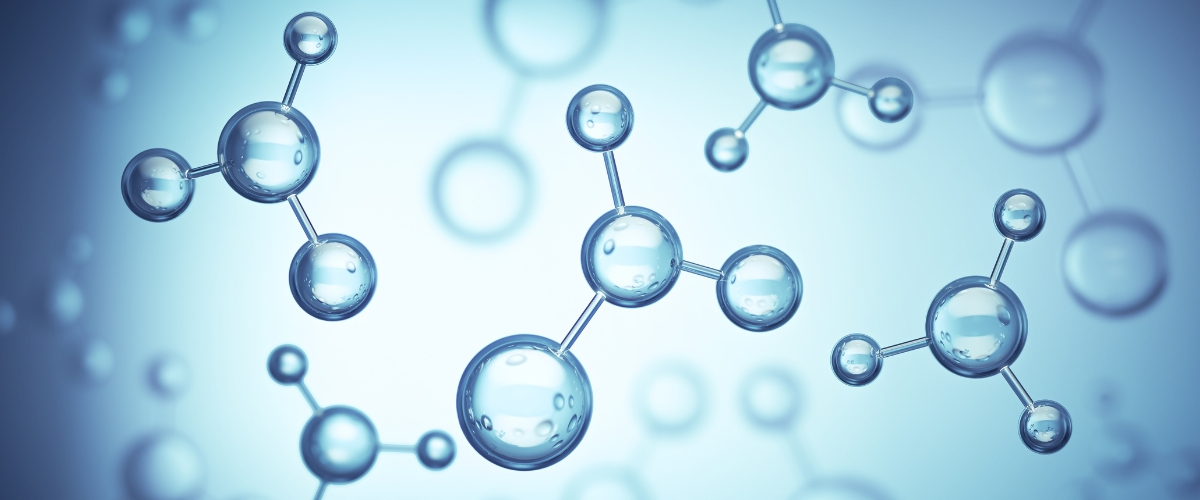
Perfluoroalkyl and Polyfluoroalkyl Substances (PFAS)- PFAS chemicals have a strong structure, which is composed of carbon chains with fluorine atoms. Interestingly, “perfluoro” means every hydrogen is replaced with fluorine. As a result, this makes them stable and tough to break down.
[/tatsu_text][tatsu_image image= “https://pfastestingkit.com/wp-content/uploads/2023/09/6.-doctor_holding_kidney_papercut.png” field_type= “default” image_varying_size_src= “” alignment= “none” border_width= “0” border_style= ‘{“d”:”solid”}’ border_color= “” id= “1182” size= “full” adaptive_image= “0” max_width= ‘{“d”:”100%”}’ rebel= “0” width= ‘{“d”:”100%”}’ shadow= “none” custom_shadow= “0px 0px 0px 0px rgba(0,0,0,0)” drop_shadow= “drop-shadow(0px 0px 0px rgba(0,0,0,0))” border_radius= “0” lazy_load= “1” placeholder_bg= “” offset= ‘{“d”:”0px 0px”}’ lightbox= “0” link= “” new_tab= “0” hide_in= “” css_id= “” css_classes= “” animate= “1” animation_type= “none” animation_delay= “0” animation_duration= “300” padding= ‘{“d”:””}’ margin= ‘{“d”:””}’ key= “H1LgLZQyp”][/tatsu_image][tatsu_text bg_color= “” color= “” max_width= ‘{“d”:”100″}’ wrap_alignment= “center” text_alignment= ‘{“d”:”left”}’ margin= ‘{“d”:”0px 0px 30px 0px”}’ box_shadow= “0px 0px 0px 0px rgba(0,0,0,0)” padding= ‘{“d”:”0px 0px 0px 0px”}’ border_style= ‘{“d”:”solid”,”l”:”solid”,”t”:”solid”,”m”:”solid”}’ border= ‘{“d”:”0px 0px 0px 0px”}’ border_color= “” border_radius= “0px” text_typography= ‘{“d”:””}’ hide_in= “” css_id= “” css_classes= “” animate= “1” animation_type= “none” animation_delay= “0” animation_duration= “300” key= “Bkh4LZQ1a”]Properties and Uses
PFAS are used in many products because they resist heat, water, and oil. We find them in non-stick pans, waterproof clothes, and firefighting foam. However, their widespread use is concerning because of the harm they can cause to the environment.
Environmental Impact
Persistence in the Environment
PFAS chemicals are known as “forever chemicals” because they last a long time. They don’t break down easily in soil, water, or air. This is due to the tough carbon-fluorine bond they have. This makes them a long-term problem for nature and our health.
[/tatsu_text][tatsu_image image= “https://pfastestingkit.com/wp-content/uploads/2023/09/4.-chemical_compounds_joining.png” field_type= “default” image_varying_size_src= “” alignment= “none” border_width= “0” border_style= ‘{“d”:”solid”}’ border_color= “” id= “1187” size= “full” adaptive_image= “0” max_width= ‘{“d”:”100%”}’ rebel= “0” width= ‘{“d”:”100%”}’ shadow= “none” custom_shadow= “0px 0px 0px 0px rgba(0,0,0,0)” drop_shadow= “drop-shadow(0px 0px 0px rgba(0,0,0,0))” border_radius= “0” lazy_load= “1” placeholder_bg= “” offset= ‘{“d”:”0px 0px”}’ lightbox= “0” link= “” new_tab= “0” hide_in= “” css_id= “” css_classes= “” animate= “1” animation_type= “none” animation_delay= “0” animation_duration= “300” padding= ‘{“d”:””}’ margin= ‘{“d”:””}’ key= “SyV2vZm1p”][/tatsu_image][tatsu_text bg_color= “” color= “” max_width= ‘{“d”:”100″}’ wrap_alignment= “center” text_alignment= ‘{“d”:”left”}’ margin= ‘{“d”:”0px 0px 30px 0px”}’ box_shadow= “0px 0px 0px 0px rgba(0,0,0,0)” padding= ‘{“d”:”0px 0px 0px 0px”}’ border_style= ‘{“d”:”solid”,”l”:”solid”,”t”:”solid”,”m”:”solid”}’ border= ‘{“d”:”0px 0px 0px 0px”}’ border_color= “” border_radius= “0px” text_typography= ‘{“d”:””}’ hide_in= “” css_id= “” css_classes= “” animate= “1” animation_type= “none” animation_delay= “0” animation_duration= “300” key= “rkP1dZmy6”]Bioaccumulation
PFAS last long but can build up in living things including the food chain. In water systems, fish and other creatures can store these chemicals.
PFAS builds up as bigger animals eat smaller ones. So, big fish or birds can have high PFAS. This is risky for humans, especially if they eat a lot of fish. Eating such fish can store PFAS in us. We don’t know all the health risks yet. But, we need to tackle PFAS in nature and our food.
Health Concerns
Human Exposure
People mainly get PFAS from tainted water and food. As a result, these chemicals are present in many people’s blood globally. Consequently, this causes serious health worries.
PFAS lasts long in the environment. This can pollute our drinking water and soil. It also moves from food wrappers to the food we eat. This makes PFAS common in our lives.
Health Effects –
Research shows that “forever chemicals” (PFAS) may harm health. They could raise cancer risk, especially in kidneys and testes. More studies are needed, but it’s concerning.
[/tatsu_text][tatsu_image image= “https://pfastestingkit.com/wp-content/uploads/2023/09/2.-pfas_molecule_3d_structure.png” field_type= “default” image_varying_size_src= “” alignment= “none” border_width= “0” border_style= ‘{“d”:”solid”}’ border_color= “” id= “1185” size= “full” adaptive_image= “0” max_width= ‘{“d”:”100%”}’ rebel= “0” width= ‘{“d”:”100%”}’ shadow= “none” custom_shadow= “0px 0px 0px 0px rgba(0,0,0,0)” drop_shadow= “drop-shadow(0px 0px 0px rgba(0,0,0,0))” border_radius= “0” lazy_load= “1” placeholder_bg= “” offset= ‘{“d”:”0px 0px”}’ lightbox= “0” link= “” new_tab= “0” hide_in= “” css_id= “” css_classes= “” animate= “1” animation_type= “none” animation_delay= “0” animation_duration= “300” padding= ‘{“d”:””}’ margin= ‘{“d”:””}’ key= “ry3jO-71p”][/tatsu_image][tatsu_text bg_color= “” color= “” max_width= ‘{“d”:”100″}’ wrap_alignment= “center” text_alignment= ‘{“d”:”left”}’ margin= ‘{“d”:”0px 0px 30px 0px”}’ box_shadow= “0px 0px 0px 0px rgba(0,0,0,0)” padding= ‘{“d”:”0px 0px 0px 0px”}’ border_style= ‘{“d”:”solid”,”l”:”solid”,”t”:”solid”,”m”:”solid”}’ border= ‘{“d”:”0px 0px 0px 0px”}’ border_color= “” border_radius= “0px” text_typography= ‘{“d”:””}’ hide_in= “” css_id= “” css_classes= “” animate= “1” animation_type= “none” animation_delay= “0” animation_duration= “300” key= “ry7eFWQ16”]Forever chemicals, or PFAS, might harm our immune system, making us prone to sickness. Additionally, there’s increasing data on PFAS pollution. These chemicals don’t break down easily and, as a result, they threaten both people and nature. Consequently, we need more research and tough rules.
Sources and Contamination
Industrial Sources– Industrial use of PFAS has spanned years. This use leads to environmental harm.
Common Contamination Sites– PFAS is in our drinking water. This is scary. It harms our health. PFAS also moves from food wraps into our food. This is bad.
Regulatory Measures – The U.S. EPA is addressing PFAS pollution. They’ve set water quality guidelines and marked PFAS as harmful. Still, many think we need stricter rules. Worldwide, concern about PFAS grows. Nations want tougher controls. But making rules consistent worldwide is hard.
[/tatsu_text][tatsu_image image= “https://pfastestingkit.com/wp-content/uploads/2023/09/5.-researcher_water_quality_inspection.png” field_type= “default” image_varying_size_src= “” alignment= “none” border_width= “0” border_style= ‘{“d”:”solid”}’ border_color= “” id= “1188” size= “full” adaptive_image= “0” max_width= ‘{“d”:”100%”}’ rebel= “0” width= ‘{“d”:”100%”}’ shadow= “none” custom_shadow= “0px 0px 0px 0px rgba(0,0,0,0)” drop_shadow= “drop-shadow(0px 0px 0px rgba(0,0,0,0))” border_radius= “0” lazy_load= “1” placeholder_bg= “” offset= ‘{“d”:”0px 0px”}’ lightbox= “0” link= “” new_tab= “0” hide_in= “” css_id= “” css_classes= “” animate= “1” animation_type= “none” animation_delay= “0” animation_duration= “300” padding= ‘{“d”:””}’ margin= ‘{“d”:””}’ key= “HJ2CYW7yT”][/tatsu_image][tatsu_text bg_color= “” color= “” max_width= ‘{“d”:”100″}’ wrap_alignment= “center” text_alignment= ‘{“d”:”left”}’ margin= ‘{“d”:”0px 0px 30px 0px”}’ box_shadow= “0px 0px 0px 0px rgba(0,0,0,0)” padding= ‘{“d”:”0px 0px 0px 0px”}’ border_style= ‘{“d”:”solid”,”l”:”solid”,”t”:”solid”,”m”:”solid”}’ border= ‘{“d”:”0px 0px 0px 0px”}’ border_color= “” border_radius= “0px” text_typography= ‘{“d”:””}’ hide_in= “” css_id= “” css_classes= “” animate= “1” animation_type= “none” animation_delay= “0” animation_duration= “300” key= “r1TMc-Q1T”]FAQs About Forever Chemicals
Got questions about PFAS. Let’s clear things up!
What Are the Most Common Uses of PFAS?
PFAS are everywhere. They last long and resist water and heat. We see them in non-stick pans, waterproof fabrics, and fire foam. Their use is common. But this brings problems for our health and nature.
How Do ‘Indestructible’ Chemicals Affect Wildlife?
PFAS harms wildlife. When these chemicals enter habitats, they hurt fish and crustaceans. This doesn’t just affect one species. It changes food chains and can upset whole ecosystems. It’s not just water animals; land animals are at risk too. We must address this PFAS issue now.
What Steps Can People Take to Lower Risk?
To cut PFAS exposure, choose PFAS-free items, especially for food and water. Support laws limiting PFAS. Push for safer alternatives. This helps your health and the environment.
Health and Environmental Concerns
Impact on Human Health
PFAS chemicals might raise cancer risks, especially kidney and testicular cancers. Studies show that more PFAS in water could mean higher kidney cancer chances. The link to testicular cancer isn’t fully clear yet. We urgently need more research on this.
PFAS exposure is risky, especially for kids. It can lead to low birth weights and developmental issues if exposed before birth. There are also concerns about harm to the immune system and hormone imbalances. These effects might last a long time.
[/tatsu_text][tatsu_image image= “https://pfastestingkit.com/wp-content/uploads/2023/09/7.-human_health_environment_interconnectedness.png” field_type= “default” image_varying_size_src= “” alignment= “none” border_width= “0” border_style= ‘{“d”:”solid”}’ border_color= “” id= “1183” size= “full” adaptive_image= “0” max_width= ‘{“d”:”100%”}’ rebel= “0” width= ‘{“d”:”100%”}’ shadow= “none” custom_shadow= “0px 0px 0px 0px rgba(0,0,0,0)” drop_shadow= “drop-shadow(0px 0px 0px rgba(0,0,0,0))” border_radius= “0” lazy_load= “1” placeholder_bg= “” offset= ‘{“d”:”0px 0px”}’ lightbox= “0” link= “” new_tab= “0” hide_in= “” css_id= “” css_classes= “” animate= “1” animation_type= “none” animation_delay= “0” animation_duration= “300” padding= ‘{“d”:””}’ margin= ‘{“d”:””}’ key= “rJwjcbQy6”][/tatsu_image][tatsu_text bg_color= “” color= “” max_width= ‘{“d”:”100″}’ wrap_alignment= “center” text_alignment= ‘{“d”:”left”}’ margin= ‘{“d”:”0px 0px 30px 0px”}’ box_shadow= “0px 0px 0px 0px rgba(0,0,0,0)” padding= ‘{“d”:”0px 0px 0px 0px”}’ border_style= ‘{“d”:”solid”,”l”:”solid”,”t”:”solid”,”m”:”solid”}’ border= ‘{“d”:”0px 0px 0px 0px”}’ border_color= “” border_radius= “0px” text_typography= ‘{“d”:””}’ hide_in= “” css_id= “” css_classes= “” animate= “1” animation_type= “none” animation_delay= “0” animation_duration= “300” key= “r1YC9ZXy6”]Environmental Consequences
PFAS pollution harms both local and global settings. It badly affects water life. Fish in dirty waters gather these chemicals in their bodies. This is called bioaccumulation. It messes with the food chain in the water. The top fish that we eat then have high PFAS levels.
PFAS enter our food, raising our exposure. They also harm nature. Research shows they hurt bird hatching and change fish organs. Frogs and insects, key in their habitats, are at risk due to PFAS.
When these animals struggle, it starts a domino effect. This harms nature and its variety. PFAS hurts wildlife. It can cause birth problems and weak defences. This makes nature more vulnerable to dangers like lost homes and climate change.
Mitigation and Remediation
Water Treatment Technologies
Activated carbon filters and ion exchange are both used to help remove PFAS from water. Consequently, many water plants now use these methods.
Cleanup Efforts
Superfund sites have PFAS pollution. As a result, they need cleaning. Unfortunately, this takes years. Therefore, we look at new ways, like using heat and nature, to clean PFAS.
Future Outlook and Challenges
-
Emerging Alternatives– Scientists seek safer PFAS alternatives. Green chemistry and sustainable methods can reduce PFAS use.
-
Regulatory Gaps– Advocates want stronger rules to limit PFAS use. They also want clear rules for throwing it away. Working together globally is key. This helps tackle the worldwide problem of PFAS and makes rules consistent.
Summary
PFAS chemicals are powerful. We use them in many things like pans and jackets because they resist water and grease. But this strength has a cost. They stay around long after we throw them away. They get into our water, soil, and food. Some studies say they can cause health problems like cancer.
These chemicals don’t just harm us. They also hurt our planet. Fish and other water creatures can get sick from PFAS. These chemicals can change how these creatures grow and have babies. This is bad for the balance of nature.
But there’s good news. The world is taking action. Some countries want to reduce PFAS use. They’re teaching people about their dangers. Companies are also helping. They’re trying to find safer options. This shows our ability to adapt and fix problems.
One good tool is the PFAS testing kit. The article, “PFAS Testing Kits: Exploring Types and Importance”, talks about this. These kits let people see if their water or soil has PFAS. This knowledge can guide what we do next.
But this fight is big. Everyone must help. From governments and companies to you and me. Your stories and ideas are important. They can guide us. Together, we can find a solution.
In short, PFAS is a big challenge. We need to balance our needs with the health of our planet. It’s our duty. We must pass on a safe and clean world to the next generation. Join the fight and help make a change.
[/tatsu_text][tatsu_image image= “” field_type= “default” image_varying_size_src= “” alignment= “none” border_width= “0” border_style= ‘{“d”:”solid”}’ border_color= “” id= “” size= “full” adaptive_image= “0” max_width= ‘{“d”:”100%”}’ rebel= “0” width= ‘{“d”:”100%”}’ shadow= “none” custom_shadow= “0px 0px 0px 0px rgba(0,0,0,0)” drop_shadow= “drop-shadow(0px 0px 0px rgba(0,0,0,0))” border_radius= “0” lazy_load= “1” placeholder_bg= “” offset= ‘{“d”:”0px 0px”}’ lightbox= “0” link= “” new_tab= “0” hide_in= “” css_id= “” css_classes= “” animate= “1” animation_type= “none” animation_delay= “0” animation_duration= “300” padding= ‘{“d”:””}’ margin= ‘{“d”:””}’ key= “SyF8qbQ16”][/tatsu_image][tatsu_image image= “” field_type= “default” image_varying_size_src= “” alignment= “none” border_width= “0” border_style= ‘{“d”:”solid”}’ border_color= “” id= “” size= “full” adaptive_image= “0” max_width= ‘{“d”:”100%”}’ rebel= “0” width= ‘{“d”:”100%”}’ shadow= “none” custom_shadow= “0px 0px 0px 0px rgba(0,0,0,0)” drop_shadow= “drop-shadow(0px 0px 0px rgba(0,0,0,0))” border_radius= “0” lazy_load= “1” placeholder_bg= “” offset= ‘{“d”:”0px 0px”}’ lightbox= “0” link= “” new_tab= “0” hide_in= “” css_id= “” css_classes= “” animate= “1” animation_type= “none” animation_delay= “0” animation_duration= “300” padding= ‘{“d”:””}’ margin= ‘{“d”:””}’ key= “BJEdvZ7k6”][/tatsu_image][/tatsu_column][/tatsu_row][/tatsu_section]